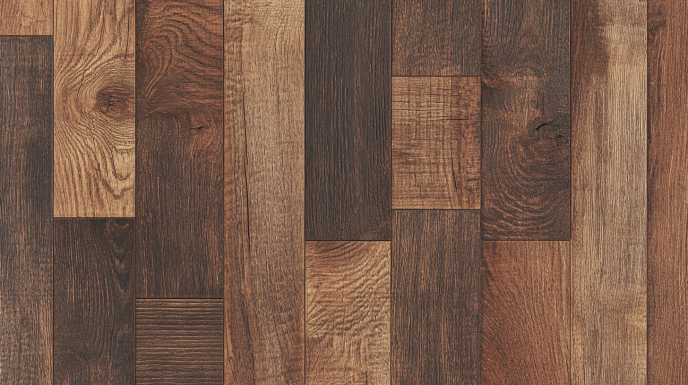
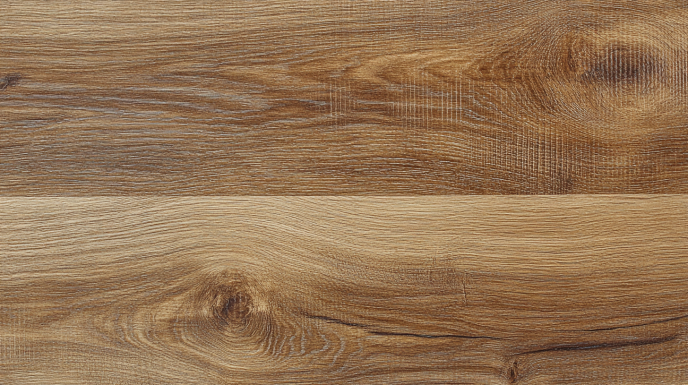
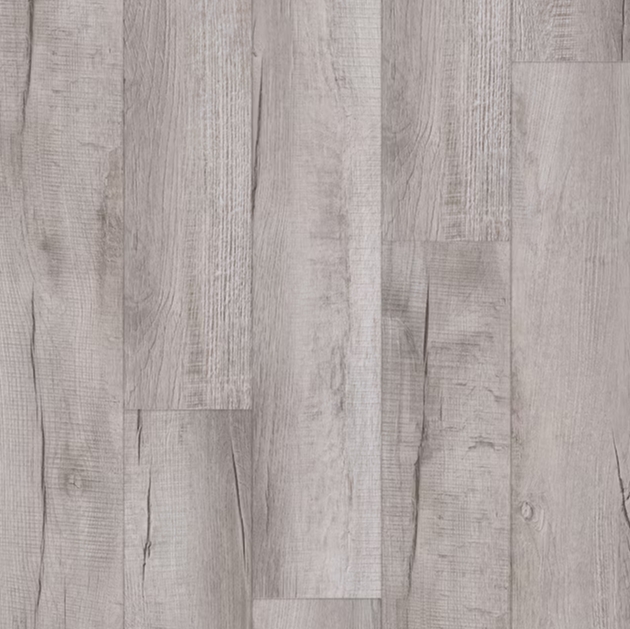
Style Selections Charleston Oak Gray Wood look 12-mil x 7-in W x 48-in L Waterproof and Water Resistant Interlocking Luxury Vinyl Plank Flooring ( 23.21-sq ft Carton )
- Style Selections Waterproof Luxury Vinyl Plank Flooring is budget-friendly and resistant to scratches and wear—a good choice for bedrooms, living areas, bathrooms & more
- Charleston Oak is a plank in a gray oak-look with brown undertones and a textured woodgrain
Bringing Timeless Elegance to Modern Homes Without Breaking the Bank
In the ever-evolving world of home design, finding the perfect flooring can feel like searching for a needle in a haystack. With countless options available, homeowners often find themselves overwhelmed by choices, technical specifications, and price points. Yet, amidst this sea of options, one product consistently stands out for its remarkable blend of affordability, aesthetics, and practicality: Style Selections Charleston Oak flooring.
Having transformed countless homes across America, this popular flooring option deserves a closer look. Whether you’re renovating your first home, updating an investment property, or simply refreshing your living space, understanding what makes Charleston Oak special could be the key to making an informed decision that you’ll be happy with for years to come.
What Exactly Is Style Selections Charleston Oak Flooring?
Style Selections Charleston Oak is a premium laminate flooring product exclusive to Lowe’s home improvement stores. It belongs to the broader Style Selections brand, which has established itself as a reliable mid-range option for homeowners seeking quality without the premium price tag.
The Charleston Oak variation specifically mimics the look of traditional oak hardwood, featuring a warm, neutral brown tone with subtle grain patterns that capture the authentic character of natural oak. The coloration falls somewhere between honey and amber, creating a versatile foundation that complements virtually any interior design scheme from traditional to contemporary.
What makes Charleston Oak particularly appealing is its ability to deliver the timeless appeal of hardwood flooring without many of hardwood’s practical limitations. The planks feature realistic wood grain textures and variations that are nearly indistinguishable from the real thing to casual observers, especially once installed across an entire room.
Laminate vs. Real Wood: Understanding What You’re Getting
Let’s address the elephant in the room: Style Selections Charleston Oak is a laminate product, not solid hardwood. But before you dismiss it as “fake wood,” it’s important to understand what modern laminate flooring actually offers.
Today’s high-quality laminates like Charleston Oak bear little resemblance to the plastic-looking products of decades past. Using advanced photographic technology and sophisticated manufacturing techniques, these planks feature a high-resolution image layer of real wood grain sealed beneath a durable protective coating.
The core structure typically consists of high-density fiberboard (HDF), which provides excellent dimensional stability. This means less expansion and contraction with temperature and humidity changes compared to solid hardwood. The backing layer offers additional structural support and moisture resistance.
The primary advantages of Charleston Oak laminate over real hardwood include:
- Significantly lower cost (often 30-50% less expensive than comparable hardwood)
- Superior resistance to scratches, dents, and fading
- Easier installation with click-lock technology
- Less maintenance required
- More consistent appearance from plank to plank
- Better performance in moisture-prone areas
What you sacrifice is the ability to refinish the floor multiple times over decades and the premium resale value that comes with genuine hardwood. However, for many homeowners, these tradeoffs are well worth the practical benefits and cost savings.
Where To Find Charleston Oak and What It Will Cost You
Style Selections is a proprietary brand exclusive to Lowe’s home improvement stores, meaning Charleston Oak flooring can only be purchased through Lowe’s retail locations or their online store. This exclusivity helps maintain quality control and consistent pricing, though it does limit your shopping options.
As for cost, Charleston Oak represents a mid-tier price point in the laminate flooring market. Expect to pay approximately $1.89 to $2.49 per square foot for the planks themselves, making it more affordable than many competing options with similar quality specifications. This price typically doesn’t include underlayment, trim pieces, or installation tools, which you’ll need to factor into your overall budget.
For context, comparable laminate products from premium brands often start at $3-4 per square foot, while basic builder-grade laminates might be found for as little as $0.99 per square foot but with noticeably inferior quality.
When calculating your total project cost, remember to account for:
- The flooring itself (plus 5-10% extra for waste and cuts)
- Underlayment (approximately $0.30-$0.60 per square foot)
- Transition pieces and trim
- Installation tools if doing it yourself
- Professional installation if hiring out (typically $2-4 per square foot)
For an average 300 square foot living room, expect material costs around $600-750 for the Charleston Oak planks alone, with total project costs potentially ranging from $1,000-2,000 depending on installation method and additional materials needed.
The Specifications: Dimensions and Technical Details
Understanding the physical specifications of Charleston Oak flooring helps in planning your project and comparing it to alternatives. Each Charleston Oak plank measures approximately 47.25 inches long by 7.48 inches wide, making them slightly larger than standard laminate planks. This larger format means fewer seams in your finished floor and a more authentic hardwood appearance.
The planks are approximately 8mm thick (about 5/16 inch), which positions them in the middle range for laminate flooring. While not as thick as premium 12mm options, this thickness provides adequate durability for residential use while maintaining reasonable cost.
The planks feature a 4-sided beveled edge, which creates subtle definition between boards after installation, enhancing the realistic hardwood look. The surface texture includes embossed-in-register technology, meaning the tactile wood grain texture perfectly aligns with the visual wood grain pattern, further enhancing realism.
Each package covers approximately 19.63 square feet, with 8 planks per box. The product weighs about 30 pounds per box, making it manageable for DIY transport and installation.
The technical specifications include an AC3 wear rating, which is suitable for all residential applications and light commercial use. This rating indicates good resistance to wear, impact, and staining under normal household conditions.
Installation: DIY-Friendly or Professional Territory?
One of Charleston Oak’s strongest selling points is its user-friendly installation system. The planks utilize a click-lock mechanism that allows them to connect securely without glue or nails. This floating floor installation method has made Charleston Oak a favorite among DIY enthusiasts.
If you’re considering installing Charleston Oak yourself, here’s a simplified overview of the process:
- Preparation: Remove existing flooring and ensure the subfloor is clean, dry, and level. Address any unevenness exceeding 3/16 inch over 10 feet.
- Acclimation: Allow the flooring to adjust to your home’s environment by leaving unopened packages in the installation room for 48 hours.
- Underlayment: Install an appropriate underlayment to provide moisture protection and sound dampening. Style Selections offers a compatible underlayment, though any quality product designed for laminate flooring will work.
- Installation: Begin in one corner of the room, leaving a 1/4 inch expansion gap around all walls and fixed objects. Connect planks by inserting the tongue into the groove at a slight angle, then pressing down until they click together. Stagger end joints by at least 6 inches between rows for structural stability.
- Finishing: Install quarter-round or baseboards to cover expansion gaps. Add appropriate transition pieces where your Charleston Oak meets different flooring surfaces.
For most reasonably handy homeowners, a medium-sized room can be completed in a weekend. The most challenging aspects typically involve cutting planks to fit irregular spaces and navigating doorways or obstacles.
If DIY installation seems daunting, professional installation services typically charge $2-4 per square foot. While this adds to your project cost, it guarantees proper installation and may be worth the investment, particularly for complex layouts.
The Waterproof Question: How Much Moisture Can It Handle?
While Style Selections Charleston Oak is not fully waterproof, it offers significantly better moisture resistance than hardwood flooring. The laminate construction provides a degree of protection against spills, humidity, and brief exposure to water.
The top wear layer creates a water-resistant barrier that protects against everyday spills, provided they’re promptly wiped up. The click-lock installation system also creates reasonably tight seams that help prevent moisture penetration.
However, it’s important to understand the limitations. Standing water can eventually penetrate the seams and cause the fiberboard core to swell and distort. This makes Charleston Oak less ideal for bathrooms, laundry rooms, or basements with moisture issues.
For areas with occasional moisture exposure, consider these precautions:
- Seal perimeter expansion gaps with silicone caulk in moisture-prone areas
- Use a quality moisture barrier underlayment
- Clean spills promptly
- Avoid wet mopping; use slightly damp cleaning instead
- Consider adding area rugs in front of sinks or exterior doors
If you need truly waterproof flooring for high-moisture areas, you might want to explore luxury vinyl plank (LVP) alternatives instead, which offer similar aesthetics with superior water resistance.
Warranty Coverage and What It Actually Protects
Style Selections Charleston Oak comes with a 25-year residential limited warranty, which is fairly standard for mid-range laminate flooring. This warranty primarily covers manufacturing defects and premature wear under normal household use.
Specifically, the warranty typically protects against:
- Fading from normal sunlight and artificial light
- Staining from ordinary household products
- Wear-through of the decorative layer under normal use
- Manufacturing defects in plank construction
However, like most flooring warranties, there are important exclusions:
- Damage from improper installation
- Water damage from flooding, plumbing leaks, or standing water
- Scratches, dents, or impact damage
- Damage from improper maintenance
- Normal changes in color due to exposure to sunlight
The warranty is also typically prorated, meaning the coverage value decreases over time. In practical terms, if you have a significant issue within the first few years, you’ll likely receive more comprehensive compensation than if problems arise later in the warranty period.
To maintain warranty coverage, keep your purchase receipt and follow all manufacturer maintenance guidelines. It’s also wise to photograph your flooring immediately after installation as a reference point should warranty claims become necessary.
Durability: How Charleston Oak Stands Up to Real Life
In terms of everyday durability, Charleston Oak offers impressive performance, especially considering its price point. The AC3 rating indicates good resistance to common household wear, and the aluminum oxide wear layer provides substantial protection against scratches, scuffs, and staining.
Most homeowners report that Charleston Oak maintains its appearance well for 10-15 years in typical household settings before showing significant signs of wear. High-traffic areas like entryways and kitchens may show wear sooner, while less-used spaces like guest bedrooms often look nearly new for many years.
The flooring performs well against common household challenges:
- Pet claws: While not impervious to scratches from large dogs or ungroomed pet nails, Charleston Oak resists most everyday pet traffic admirably.
- Furniture: The surface resists minor scrapes well, though heavy furniture should have protective pads to prevent damage.
- Sunlight: The UV-resistant finish helps prevent significant fading even in sunny rooms, though extreme sun exposure over many years will eventually cause some color change.
- Spills: Common household spills like coffee, wine, and food typically clean up without staining if addressed promptly.
The biggest durability concerns involve water damage and heavy impact. Dropped heavy objects can chip or dent the planks, and as mentioned earlier, prolonged moisture exposure remains the primary threat to laminate flooring integrity.
Surface Finish: The Details That Make the Difference
Charleston Oak features a medium-gloss finish that strikes a practical balance between completely matte and high-gloss extremes. This semi-gloss appearance provides enough reflection to create visual depth and highlight the wood grain details, while avoiding the excessively shiny look that can make laminate flooring appear artificial.
The finish includes micro-beveled edges that define each plank, enhancing the realistic hardwood appearance. The surface texture utilizes embossed-in-register technology, where the physical texture perfectly aligns with the visible wood grain pattern. Running your hand across the surface, you’ll feel subtle variations that mimic the natural texture of oak hardwood.
This finish provides several practical benefits:
- The medium gloss level helps disguise minor scratches and wear better than high-gloss alternatives
- The textured surface provides better slip resistance than completely smooth laminates
- Dust and footprints are less visible than on high-gloss floors
- The realistic texture contributes significantly to the authentic hardwood appearance
The protective layer incorporating aluminum oxide provides excellent resistance to UV fading, household chemical exposure, and surface abrasion. This durable finish is one reason Charleston Oak maintains its appearance longer than many budget-oriented laminate options.
Maintenance Made Simple: Keeping Charleston Oak Looking Its Best
One of the most appealing aspects of Charleston Oak flooring is its low-maintenance nature. Unlike hardwood, it requires no sanding, refinishing, or specialized treatments to maintain its appearance. A simple care routine will keep your floors looking great for years:
Daily maintenance:
- Sweep or vacuum with a hard floor attachment to remove dust and debris
- Wipe up spills promptly to prevent potential moisture damage
Weekly cleaning:
- Use a slightly damp (not wet) microfiber mop
- If needed, use a cleaning product specifically formulated for laminate flooring
- Avoid traditional wet mops, steam mops, or excessive moisture
Preventative measures:
- Use felt pads under furniture legs
- Place entry mats at doorways to reduce tracked-in dirt and grit
- Consider area rugs in high-traffic zones, but use rug pads without rubber backing
- Trim pet nails regularly to minimize scratching potential
What to avoid:
- Wax, polish, or refinishing products
- Oil-based cleaners or abrasive cleaning tools
- Steam cleaners, which can force moisture into seams
- Excessive water during cleaning
Following these simple guidelines requires minimal effort while maintaining your floor’s appearance and extending its lifespan. Compared to hardwood, which may need refinishing every 5-10 years, or carpet requiring deep cleaning, Charleston Oak offers significantly reduced maintenance demands.
Installation Over Concrete: Special Considerations
Charleston Oak can indeed be installed over concrete subfloors, making it suitable for basements, ground-floor apartments, and slab foundation homes. However, concrete installation requires specific preparation to ensure success.
The most critical factor is addressing moisture issues, as concrete can transmit dampness that damages laminate flooring. Before installation, conduct a moisture test on your concrete floor. This can be done using simple moisture meters or calcium chloride test kits available at home improvement stores.
If your concrete passes moisture testing (typically less than 3 pounds of moisture per 1,000 square feet per 24 hours), proceed with these steps:
- Ensure the concrete is clean, level, and free of cracks or defects
- Repair any significant cracks or uneven areas with appropriate concrete patching compounds
- Install a quality 6-mil polyethylene moisture barrier with seams overlapped and taped
- Add a foam underlayment designed for laminate flooring over concrete
- Install the Charleston Oak flooring according to standard instructions
The double moisture protection (plastic sheet plus underlayment) is essential when installing over concrete. Even seemingly dry concrete can transmit moisture vapor that gradually damages laminate flooring from below.
For basements or areas with known moisture issues, consider additional precautions such as dehumidifiers or choosing a different flooring product specifically designed for high-moisture environments.
Underlayment: Necessary Investment or Optional Extra?
While technically possible to install Charleston Oak directly over some existing subfloors, underlayment is strongly recommended in virtually all installations. The right underlayment provides multiple important benefits:
- Moisture protection: Creates a barrier against subfloor moisture that could damage your flooring
- Sound dampening: Reduces the hollow sound sometimes associated with laminate flooring
- Subfloor irregularities: Helps smooth minor imperfections in the subfloor
- Thermal insulation: Provides a slight R-value increase, making the floor feel less cold underfoot
- Comfort: Adds a subtle cushioning effect that improves walking comfort
Style Selections offers compatible underlayment products, typically costing $0.30-$0.60 per square foot. These include basic foam options and premium products with enhanced moisture protection and sound dampening properties.
When selecting underlayment, consider your specific installation environment:
- For concrete subfloors, choose underlayment with integrated moisture barrier or use separate 6-mil polyethylene sheeting
- For upper-floor installations, consider underlayment with enhanced sound dampening to reduce noise transfer to rooms below
- For installations over existing wood subfloors, standard foam underlayment is usually sufficient
The modest additional cost of quality underlayment pays dividends in improved performance, comfort, and longevity of your Charleston Oak flooring.
Competitive Landscape: How Charleston Oak Compares to Alternatives
Within the vast flooring market, Charleston Oak occupies a sweet spot that balances quality and affordability. Here’s how it stacks up against major competitors:
Compared to other laminate brands:
- More affordable than Pergo and QuickStep premium laminates, with comparable durability
- Better thickness and wear layer than budget options like TrafficMaster
- Similar quality to mid-range options like Armstrong and Shaw, often at a better price point
Compared to luxury vinyl plank (LVP):
- Generally more affordable than comparable LVP products
- Better resistance to sun fading than many vinyl products
- Less waterproof than LVP, which remains the better choice for bathrooms and basements
- Typically harder underfoot than vinyl, which some prefer for its more authentic hardwood feel
Compared to engineered hardwood:
- Significantly more affordable (often 50-70% less expensive)
- Better scratch and dent resistance
- Cannot be refinished like engineered hardwood
- Slightly less impact on home resale value
Compared to solid hardwood:
- Much more affordable (often 70-80% less expensive)
- Easier DIY installation
- Better moisture and scratch resistance
- Lower impact on home resale value
- Cannot be refinished multiple times over decades
The primary advantages Charleston Oak offers over competitors in its price range include larger plank dimensions, better edge detailing, and more realistic grain texturing than many similarly priced options.
Style Considerations: Matte vs. Glossy and Design Flexibility
As mentioned earlier, Charleston Oak features a medium-gloss finish that bridges the gap between trendy matte finishes and traditional high-gloss looks. This balanced approach offers practical advantages while remaining stylistically versatile.
From a design perspective, Charleston Oak’s neutral warm brown tone with authentic oak grain works well in diverse interior styles:
- Traditional homes: Complements classic furnishings and architectural details
- Contemporary spaces: Provides warmth without overwhelming modern design elements
- Transitional interiors: Bridges traditional and modern elements seamlessly
- Farmhouse style: Offers the rustic wood element central to this popular aesthetic
- Industrial designs: Balances well against metal and concrete elements
The medium-width planks (7.48 inches) represent another design advantage, offering a modern look without the extreme width that can sometimes appear disproportionate in smaller spaces. The subtle beveled edges define each plank without creating the exaggerated grooves that collect dirt in some flooring products.
When considering Charleston Oak for your home, remember that flooring sets the foundation for your entire interior design scheme. The versatile, neutral characteristics of this product allow it to adapt as your decorating preferences evolve over time.
Scratch Resistance: Living with Charleston Oak in the Real World
For many homeowners, particularly those with children and pets, scratch resistance represents a critical consideration. Charleston Oak’s performance in this area is generally good, though not perfect.
The aluminum oxide wear layer provides effective protection against everyday scratches from normal foot traffic, minor furniture movement, and typical household activities. The textured surface and wood grain pattern also help camouflage minor scratches that do occur.
In testing and real-world use, Charleston Oak typically outperforms solid hardwood and engineered hardwood in scratch resistance. It also compares favorably to budget laminate options, though premium laminates with AC4 or AC5 ratings will offer superior scratch protection.
To maximize scratch resistance:
- Use felt pads under all furniture legs
- Lift rather than drag heavy items
- Keep pet nails trimmed
- Remove shoes, especially high heels, when possible
- Use area rugs in high-traffic zones
It’s worth noting that while Charleston Oak resists many scratches, it cannot be sanded and refinished like hardwood if significant damage occurs. Severely damaged planks would need to be replaced, which is possible but requires some installation skill.
Kitchen and Bathroom Suitability: Where Charleston Oak Works Best
Charleston Oak performs well in kitchens with normal use and reasonable precautions. The moisture resistance is adequate for occasional spills and the durability stands up to kitchen traffic patterns. Many homeowners successfully install it in kitchens, particularly appreciating its ease of cleaning compared to tile grout lines or hardwood.
For kitchen installations, consider these precautions:
- Install a drip pan under refrigerators with water lines
- Place mats near sinks and dishwashers
- Promptly wipe up spills, especially around the sink and dishwasher
- Consider sealing perimeter expansion gaps with silicone in areas prone to moisture
Bathrooms present a more challenging environment. While half-baths or powder rooms with only a sink and toilet can be suitable for Charleston Oak, full bathrooms with showers or tubs pose greater risks. The frequent high humidity and potential for standing water make bathroom installations generally inadvisable unless exceptional care is taken.
For spaces with serious moisture concerns, luxury vinyl plank (LVP) or tile remains the safer choice, offering similar aesthetics with superior water resistance.
The Review Landscape: What Real Users Say About Charleston Oak
Consumer reviews of Charleston Oak reveal consistent themes that align with its positioning as a quality mid-range laminate option. Among the most frequently mentioned positives:
- Excellent value for the price point
- Convincing wood appearance once installed
- User-friendly installation system
- Good durability in normal household use
- Resistance to fading and everyday staining
Common criticisms include:
- Some reports of occasional defective planks requiring careful inspection
- Concerns about seam integrity in high-moisture environments
- Limited color selection compared to some competing brands
- Occasional difficulties with the click-lock mechanism during installation
Professional flooring installers generally rate Charleston Oak favorably, particularly noting its consistent plank quality and dimensional stability compared to budget alternatives. The larger plank size receives mixed reviews—appreciated for fewer seams but sometimes criticized for making installation in smaller rooms more challenging.
Overall, Charleston Oak maintains a solid 4-star average across major review platforms, placing it firmly in the upper tier of laminate flooring options within its price category.
Technical Specifications: Thickness and Performance Ratings
Charleston Oak’s 8mm thickness (approximately 5/16 inch) positions it in the mid-range for laminate flooring. While premium laminates may reach 12mm and budget options might be as thin as 6mm, the 8mm thickness provides a good balance of durability and value.
This thickness contributes to several performance characteristics:
- Adequate impact resistance for normal household use
- Sufficient stability to span minor subfloor imperfections
- Good sound absorption compared to thinner products
- Reasonable thermal insulation properties
The AC3 wear rating indicates the product is suitable for all residential applications and light commercial use. This rating is determined through standardized testing for:
- Wear resistance (abrasion testing)
- Impact resistance (dropping weights)
- Stain resistance (exposure to various substances)
- Burn resistance (cigarette testing)
- Swelling resistance (edge exposure to moisture)
For most households, the AC3 rating provides adequate durability. Only extremely high-traffic environments or homes with extraordinary wear concerns might benefit from upgrading to products with AC4 ratings.
Pet-Friendly Flooring: Charleston Oak for Furry Household Members
Pet owners will be pleased to know that Charleston Oak performs relatively well in homes with four-legged family members. Several characteristics make it more pet-friendly than many alternatives:
- The scratch-resistant surface withstands normal pet claw traffic better than hardwood
- The sealed surface prevents absorption of pet accidents if promptly cleaned
- Unlike carpet, it doesn’t trap pet hair or dander
- The hard surface is easy to sanitize and keep clean
- Unlike some vinyl products, it’s resistant to damage from pet nails
That said, no flooring is completely impervious to pet challenges. Extremely large dogs with ungroomed nails can potentially scratch the surface, and standing urine can damage the seams and cause swelling if not promptly cleaned.
For optimal performance with pets:
- Keep pet nails trimmed regularly
- Clean accidents immediately
- Use mats under water and food bowls
- Consider runner rugs in high-traffic pet pathways
Many pet owners report that Charleston Oak holds up remarkably well compared to other flooring options, particularly appreciating the balance of durability and warmth it provides for both human and animal household members.
Conclusion: Is Charleston Oak the Right Choice for Your Home?
After this comprehensive exploration of Style Selections Charleston Oak flooring, we return to the essential question: is it the right choice for your specific needs?
Charleston Oak represents an excellent value for homeowners seeking:
- The aesthetic appeal of hardwood without the premium price
- DIY-friendly installation
- Good durability in normal household conditions
- Low maintenance requirements
- Versatile styling that complements diverse interior designs
It’s particularly well-suited for:
- Living rooms, dining rooms, and bedrooms
- Homes with children and pets
- Budget-conscious renovations
- Rental properties
- First-time homeowners
However, it may not be ideal for:
- Full bathrooms or very moist environments
- Homeowners seeking the highest possible resale value boost
- Spaces requiring the ultimate in scratch resistance
- Those wanting the ability to refinish their floors decades later
In the final analysis, Style Selections Charleston Oak delivers exceptional value in the mid-range laminate category, offering many of the benefits of more expensive flooring options at a significantly lower price point. Its combination of authentic appearance, practical durability, and reasonable cost has earned it a deserved place as a go-to option for savvy homeowners across the country.
Whether you’re upgrading a single room or transforming your entire home, Charleston Oak provides a foundation that balances beauty, performance, and affordability in a package that’s hard to beat.